
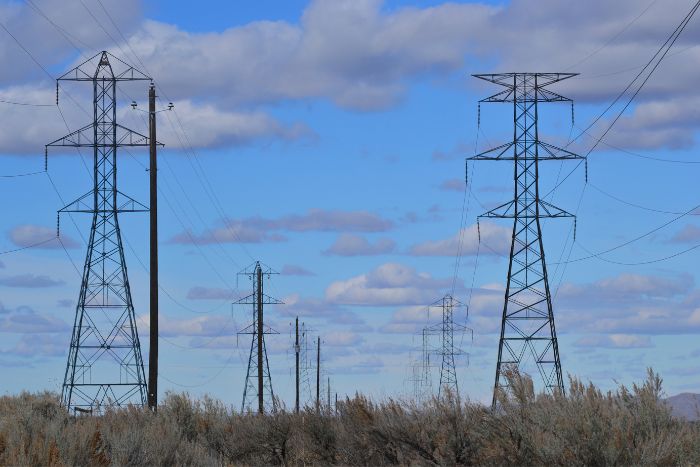
The report said India can meet its 2032 power demand through solar, wind, and energy storage targets.
A recent study found India does not need to add more coal plants beyond the existing National Electricity Plan 2032. The report titled “Coal’s diminishing role in India’s electricity transition” by Ember, an energy think tank, said adding more capacity can be uneconomical.
According to the report, India can meet its power needs through solar, wind, and energy targets already set under the National Electricity Plan 2032. The analysis found that 10% of additional coal units from fiscal 2025 will be entirely unutilised by fiscal 2032, while nearly 25% of the fleet will be heavily unutilised.
The report also highlighted that coal-based electricity will get 25% more expensive in fiscal 2032 than in fiscal 2025. Owing to falling utilisation rates driving up fixed costs and expenses associated with additional part-load inefficiencies, higher auxiliary consumption, and retrofit needs.
The utilisation rates or plant load factors (PLFs) of Indian coal plants will fall to 55% in FY 2031-32 from 69% in FY 2024-25, as coal shifts from being a baseload provider to a flexible balancing resource, said the report.
The report estimated that the coal power cost could also increase in the future for electricity distribution companies owing to very high fixed costs even when the plants are not generating electricity. States like Bihar and Madhya Pradesh are already facing the rising cost of electricity despite being the coal-producing regions.
Renewable Energy Sources More Economical and Efficient
Firm and dispatchable renewable energy resources options — renewable energy coupled with battery storage — are becoming increasingly competitive, and a proven ability to meet availability and performance obligations. As a result, India can achieve reliability and flexibility without resorting to new coal builds. The report said that this has been driven partly by the success of large-scale auctions, falling prices and improvements in battery technology.
Ember’s chief analyst, Dave Jones, said, “India’s auctions are incorporating more hours of battery, and ultimately, batteries will work with solar to make 24/365 electricity. There’s no reason why India can’t copy its success from solar manufacturing to become self-sufficient in battery manufacturing, and so energising India with home-grown solar and battery.”
The report recommended prioritising acceleration of storage deployment, retrofitting select thermal plants for deeper flexibility, and strengthening dispatch and reserve frameworks to support renewable integration at least cost.
About The Author

You may also like
Rise in Fossil Fuel Burning is Making Floods Lethal in Asia
EU to waste billions on hydrogen pipelines in new PCI list, warns experts
Why India’s Clean Cooking Revolution Must Be Electric
Clean Energy Push Would Halve Warming Rate by 2040: Report
India Pushes for Critical Minerals Circularity and Collective Action on Climate at G20